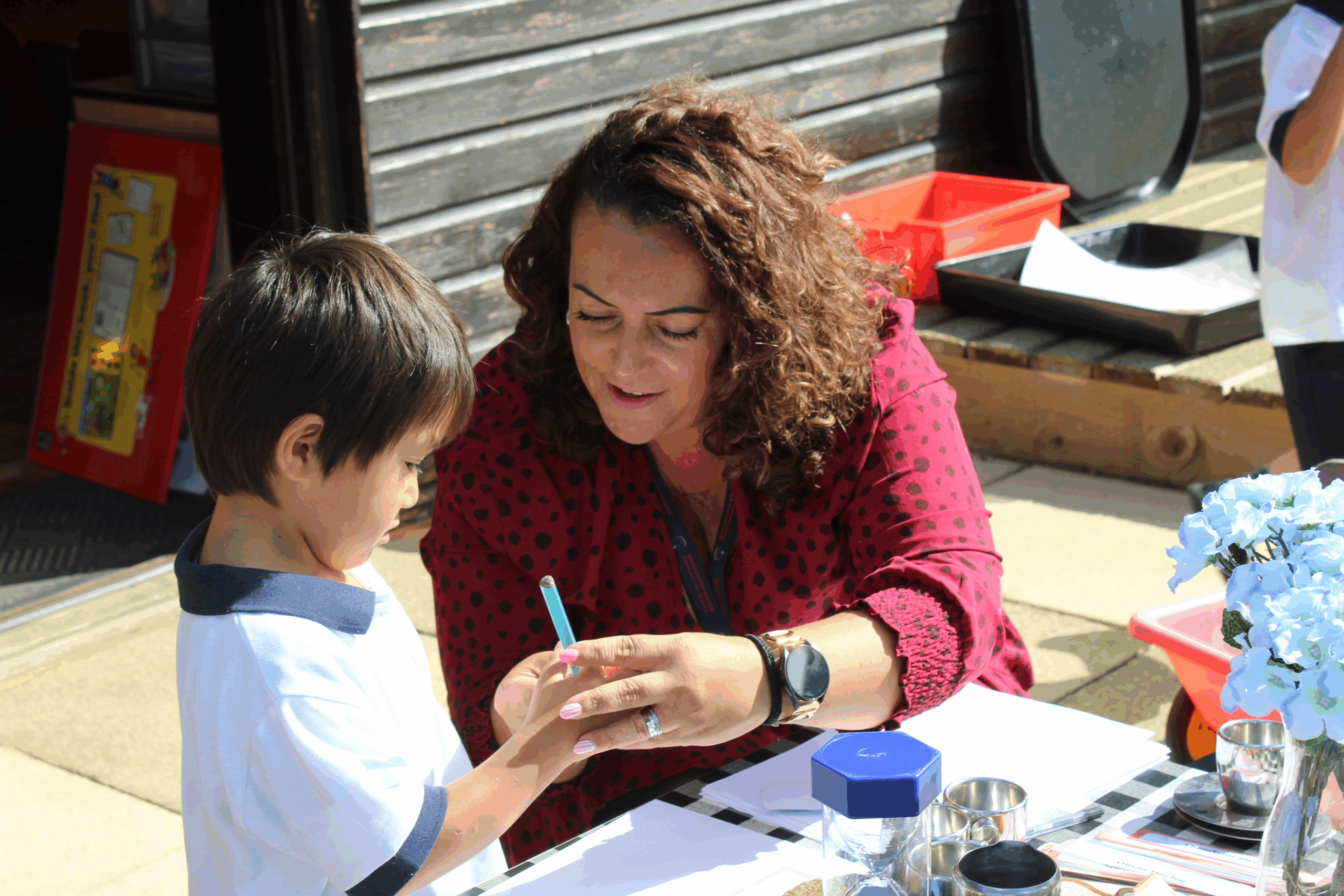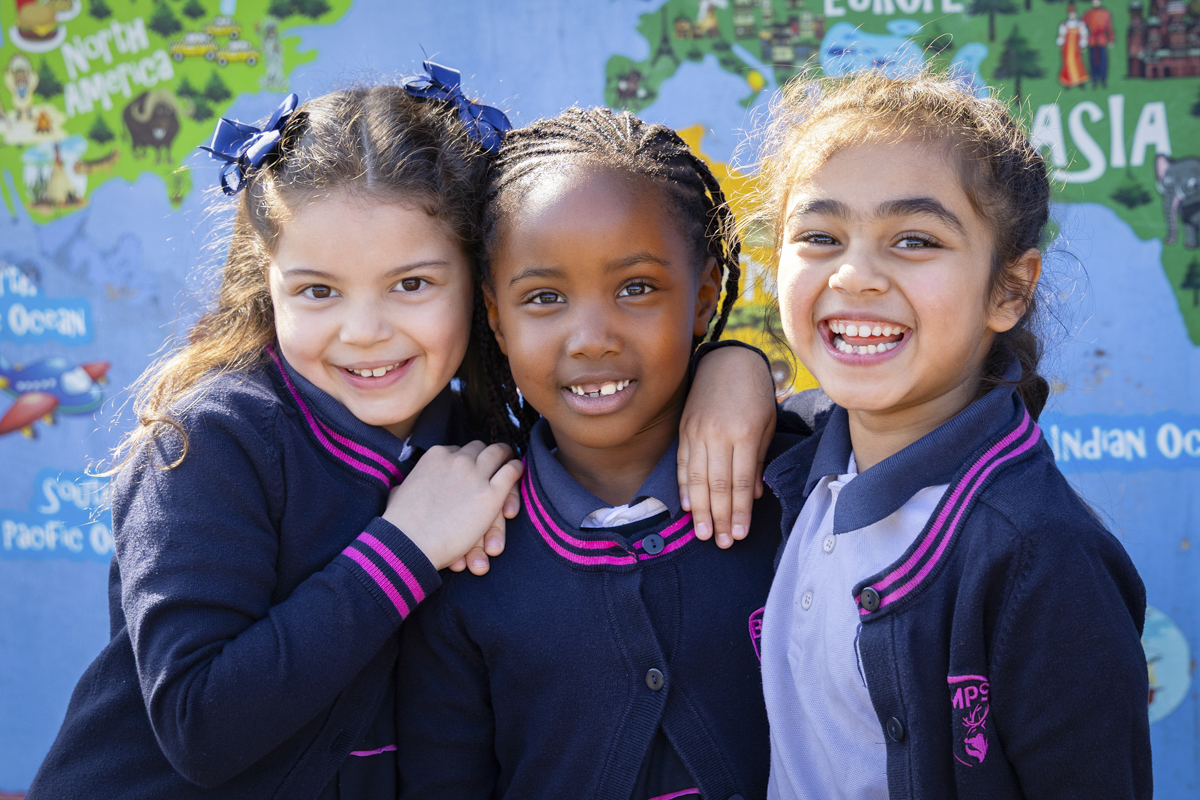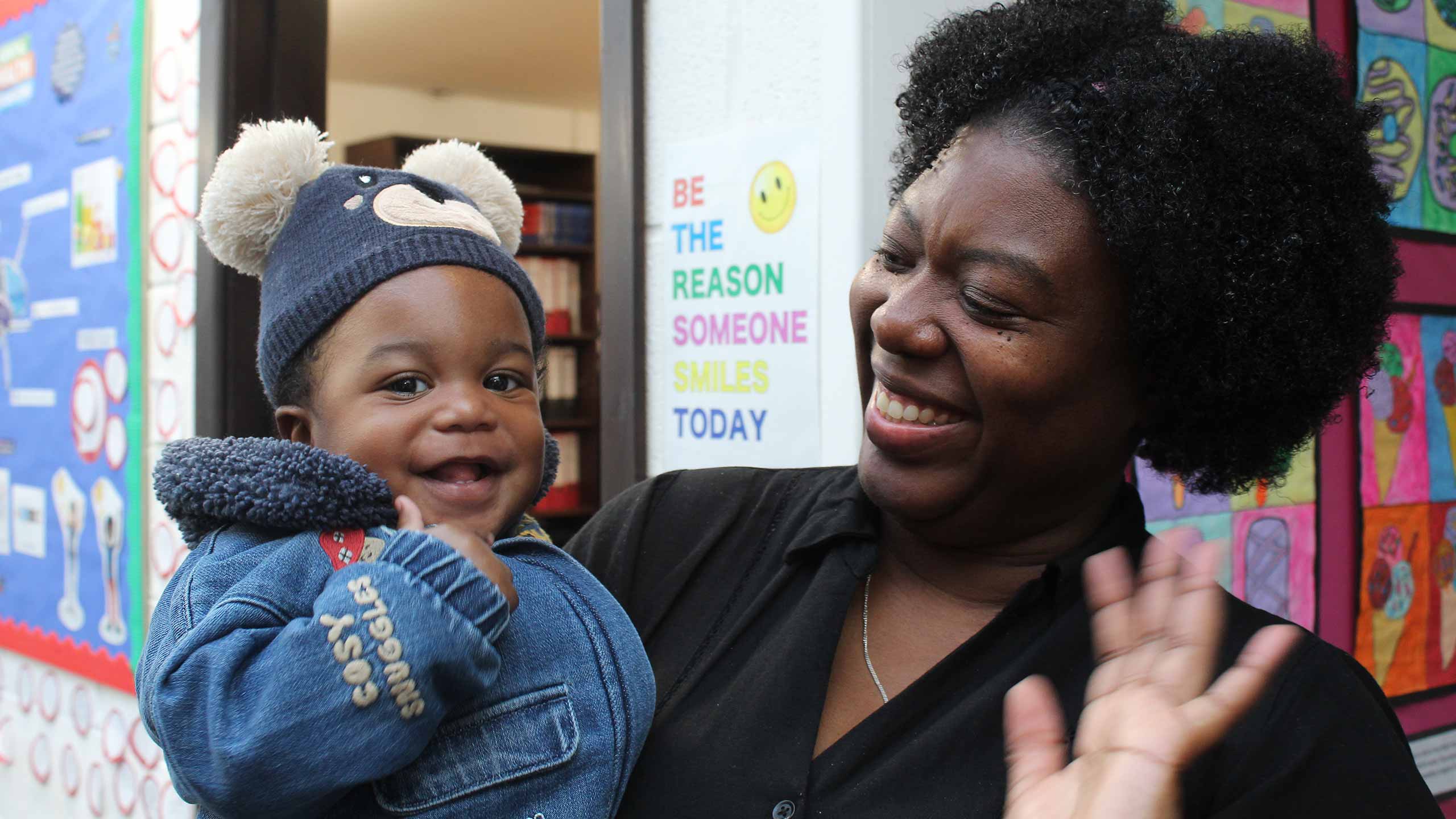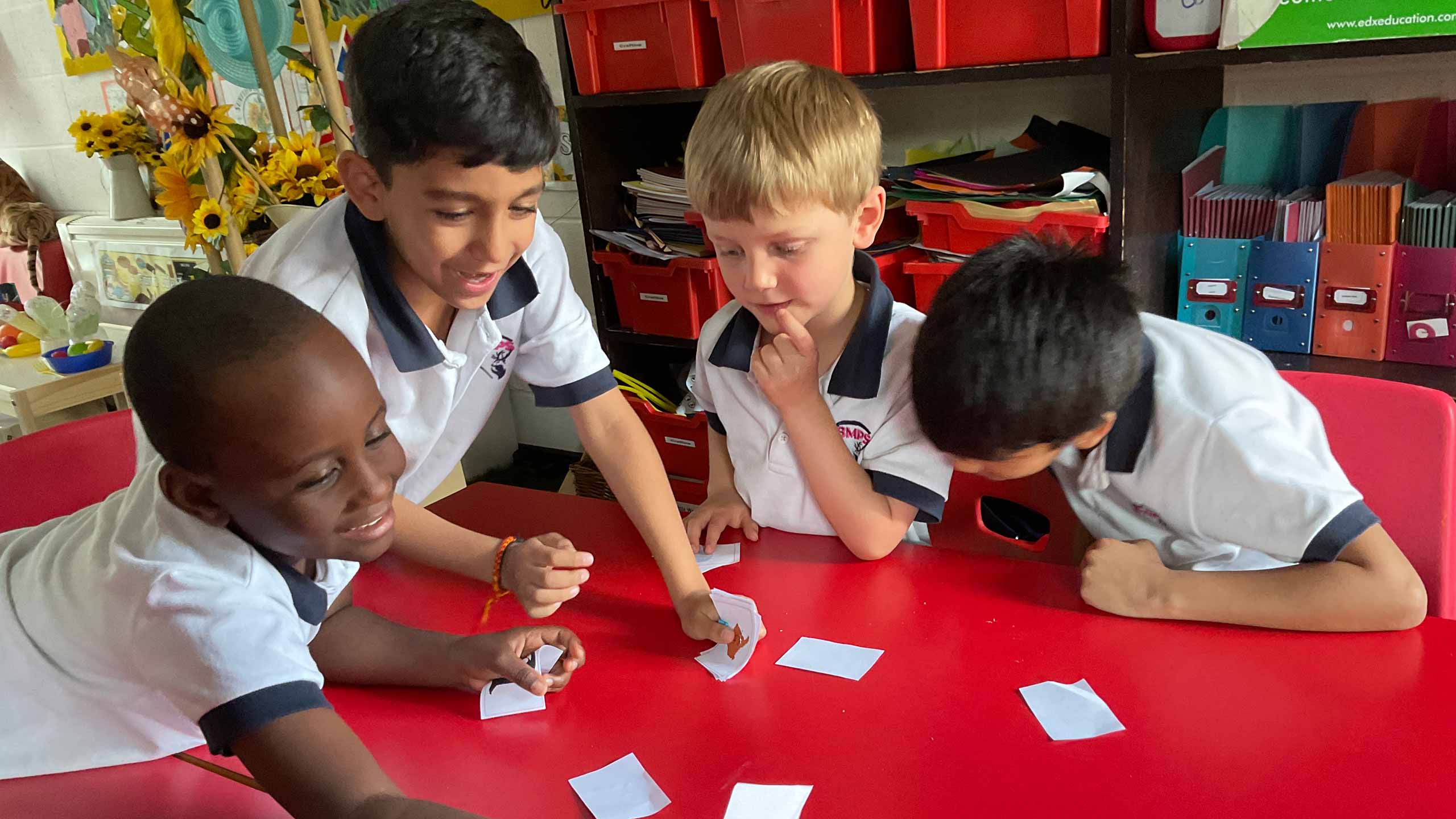
Every parent wants their child to feel good about themselves and to cope when things get tricky. Confidence helps children try new things, make friends and put their hand up in class. Resilience helps them bounce back from mistakes, disappointments and change. The good news is that both can be nurtured from a very young age, through everyday moments at home and at school. This guide explains what confidence and resilience look like in young children and practical ways to build them.
What Do Confidence and Resilience Mean for Young Children?
Confidence
For a young child, confidence means believing “I can have a go”. It is not about being loud or outgoing. A quiet child can be deeply confident, happy to try a new activity, ask for help or share an idea.
Resilience
Resilience is the ability to cope with setbacks and keep going. It might look like a four-year-old rebuilding a tower that fell down, or a seven-year-old trying a spelling again after getting it wrong.
Why the Early Years Matter
Children’s attitudes to learning and challenges start forming early. The Early Years Foundation Stage (EYFS) recognises this through the “characteristics of effective learning”, which include keeping on trying when things are difficult and enjoying achieving what they set out to do. Children who develop these habits early carry them into school and beyond.
Practical Ways to Build Confidence at Home
Give them responsibility
Let your child help with simple jobs, such as laying the table, feeding a pet or choosing their clothes. Being trusted builds a sense of capability.
Praise effort, not just results
Instead of “You’re so clever”, try “You worked really hard on that” or “I love how you kept trying”. This teaches children that effort leads to progress.
Let them make choices
Offering small choices, such as which book to read or which park to visit, helps children feel their opinions matter.
Celebrate what makes them unique
Notice and value your child’s interests and strengths, whether they love building, drawing, singing or being outdoors.
Practical Ways to Build Resilience
Let them struggle a little
It is tempting to step in straight away, but giving children a moment to work things out for themselves builds problem-solving skills. Offer support, not solutions.
Normalise mistakes
Talk about your own mistakes and what you learned. Show your child that getting things wrong is part of learning, not something to fear.
Name feelings
Help your child put words to emotions such as frustrated, disappointed, nervous or proud. Children who can name their feelings find them easier to manage.
Teach simple calming strategies
Deep breaths, a cuddle, counting to ten or a quiet space to reset can help young children cope with big feelings.
Keep routines predictable
Regular routines help children feel secure, and secure children are better able to cope with change.
How Schools Can Help
The right school environment makes a big difference to confidence and resilience. Look for:
- small classes, where every child is known and has a voice
- a broad curriculum, so every child can find something they shine at
- opportunities to perform, compete and take on responsibilities
- strong pastoral care that notices when a child is struggling
Our guide to what pastoral care is and why it matters explains more.
Confidence and Resilience at Broughton Manor Prep
At Broughton Manor Preparatory School in Milton Keynes, we aim for every child to leave us rounded, confident and enthusiastic, well prepared for the next stage of their education. From our Pre-School onwards, specialist-led PE, drama and music give children regular chances to try new things and perform. Events such as the Nativity, the Easter Bonnet Parade and Sports Day help even our youngest pupils grow in confidence in front of an audience.
Our June 2025 Independent Schools Inspectorate report noted that “children approach their learning with independence and confidence” and that “staff know the pupils well and respond quickly to their individual needs.” Read how we support children from their first day in Reception.
Frequently Asked Questions
Give them time to warm up, avoid labelling them as shy, arrange small play dates and praise small brave steps. Confidence often grows quietly.
Resilience develops gradually from the early years onwards. Everyday experiences of trying, failing and trying again help build it.
Allowing small, safe setbacks helps children learn to cope. Stay close, offer comfort and help them think about what to try next.
Good schools offer small classes, varied opportunities to succeed, chances to perform and take responsibility, and strong pastoral care.