Starting Reception is a big milestone, not just for children but for their parents too! It is an exciting time, full of new experiences, friendships and opportunities, but it can also bring a few worries. One of the questions I am often asked by parents is, “What should my child be able to do before they start school?”
Should they be able to write their name? Count to 20? Recognise letters? Perhaps even read a few words?
My answer is always reassuringly simple. Children do not need to arrive in Reception knowing how to read, write or count to 20. That is what we are here to teach them!
Of course, any early learning experiences are valuable, but there are other skills that I would encourage parents to focus on in the months leading up to starting school. Confidence, independence, curiosity and the ability to communicate are all wonderful foundations for a happy and successful start to school life.
And perhaps most importantly, remember that every child is different. They develop at different rates, have different personalities and bring their own unique strengths and experiences with them. There is no such thing as a ‘one size fits all’ Reception child.
Reception Is Still Part of the Early Years
It is worth remembering that Reception is the final year of the Early Years Foundation Stage (EYFS), which covers children’s learning and development from birth to five.
Although starting school may feel like a big step, children do not suddenly stop learning through play when they put on a school uniform!
Play, exploration, practical activities and opportunities to investigate the world around them remain central to learning in Reception. Alongside this, children gradually develop the skills and confidence needed for more structured learning.
At the end of Reception, teachers assess children’s development against the Early Learning Goals, but throughout the year the focus is very much on helping each child make progress from their own individual starting point.
Independence: The Little Things That Make a Big Difference
If I could encourage parents to concentrate on one area before their child starts school, it would be independence.
There is a real sense of pride that comes from being able to say, “I can do it myself!” These small achievements help children feel capable, confident and ready to embrace new challenges.
Using the toilet independently
Being able to use the toilet, flush and wash their hands without help is an important skill. Practise this at home and encourage your child to take responsibility for their own personal hygiene.
Of course, accidents happen, particularly when children are excited, distracted or getting used to new routines. If your child is still developing their toileting skills, talk to their teacher so that you can work together to support them.
Getting dressed and undressed
Putting on a coat, managing shoes, changing for PE and looking after their clothes can be quite a challenge for little fingers!
Give your child plenty of opportunities to practise. It may be quicker to do things for them, particularly on a busy morning, but allowing that extra time for them to have a go is well worth it.
Managing lunchtime
Lunchtime is an important social occasion in the school day, but it can feel a little overwhelming at first.
Encourage your child to use a knife and fork and sit at the table to enjoy a meal. These are useful skills that will help them feel more confident.
Looking after their belongings
Recognising their own name, hanging up their coat and putting things away are simple ways of encouraging responsibility.
At Broughton Manor, one of the messages we give our children is that they are capable of far more than they sometimes realise. Giving them small responsibilities helps them discover this for themselves.
Social and Emotional Confidence
Starting school is about much more than learning letters and numbers. Children are becoming part of a new community, learning to build relationships, manage their feelings and find their place within a group.
Saying goodbye
For some children, waving goodbye on that first morning is easy. For others, it takes a little longer.
If your child has had opportunities to spend time with other trusted adults, perhaps at nursery, Pre-School or with family members, this can help. Talk positively about school and reassure them that you will be there to collect them at the end of the day.
And remember, a few tears at the classroom door do not necessarily mean that a child is unhappy. Very often, once they are busy and engaged, those tears are quickly forgotten!
Sharing, taking turns and learning to lose
These are skills that take time to develop, and even adults don’t always get them right!
Playing board games, spending time with other children and taking part in group activities all provide opportunities to practise.
It is also important that children experience not always getting their own way. Learning to cope with disappointment, wait patiently and try again are valuable life skills.
Asking for help
One of the most important things a child can learn is that it is absolutely fine to ask for help.
Encourage your child to tell an adult if they are worried, upset, feeling unwell or unsure about something. Knowing that there is always someone they can turn to helps children feel safe and secure.
Understanding feelings
Young children experience big emotions, and they are still learning how to manage them.
Talk about feelings at home. Help your child recognise when they are frustrated, disappointed, excited or worried, and explore what they can do when those feelings become overwhelming.
Simple strategies, such as taking a few deep breaths, talking to someone or having a quiet moment, can make a real difference.
Building resilience doesn’t mean expecting children never to become upset. It means helping them develop the confidence to cope when things don’t go quite as planned.
What About Reading, Writing and Maths?
Parents sometimes worry that their child will be at a disadvantage if they cannot already recognise letters, write their name or count confidently.
Please don’t worry! These are skills that we teach in Reception, and children arrive with a wide range of experiences and abilities.
There are, however, lots of enjoyable ways to lay the foundations for learning without turning home into a classroom.
Talk, talk and talk some more!
Conversation is one of the most valuable learning opportunities you can give your child.
Talk about what you see on a walk, what you are cooking for dinner or what happened during the day. Encourage questions, introduce new vocabulary and give your child time to express their thoughts.
Being able to listen, understand instructions and communicate ideas will help your child enormously when they start school.
Share a love of books
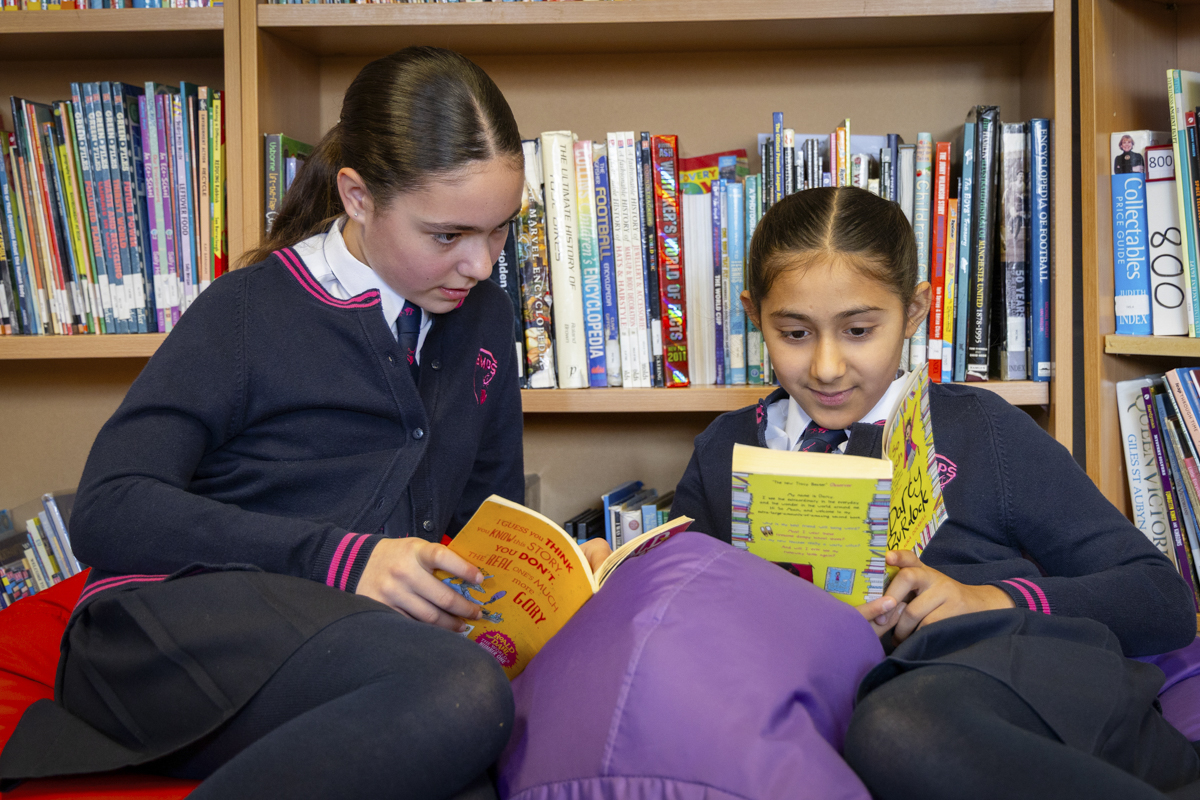
If there is one thing I would encourage every parent to do, it is to read with their child every day.
Snuggle up with a favourite story, talk about the pictures, predict what might happen next and enjoy the language together.
Children who associate books with pleasure, comfort and excitement are developing a wonderful foundation for learning to read.
There is no need to rush them into reading independently. A love of stories is one of the greatest gifts you can give a child.
Encourage mark making
Before children can write letters confidently, they need to develop strength and control in their hands and fingers.
Drawing, colouring, painting, threading beads, playing with dough and building with construction toys all help.
If your child is interested in writing their name, encourage them, but don’t feel that this is something they must master before September.
Make maths part of everyday life
Maths is everywhere, and children learn so much through ordinary experiences.
Count the stairs as you walk upstairs, look for numbers on doors, sort socks into pairs or talk about which container holds more water.
These simple activities help children develop an understanding of number, shape, size and pattern without them even realising they are learning.
Preparing for the First Day
As the start of Reception approaches, there are some simple things you can do to help your child feel excited and prepared.
- Make school familiar. Visit if you can, look at photographs of the classrooms and talk about the people they will meet.
- Practise the morning routine. Try on the uniform, practise putting on shoes and talk about what will happen when you arrive at school.
- Enjoy stories about starting school. Books can be a lovely way of exploring feelings and answering questions.
- Establish good sleep routines. School days are busy and can be tiring, particularly during those first few weeks.
- Be positive. Children are very good at picking up on our emotions. Even if you are feeling a little anxious yourself, talk about school as an exciting new adventure.
Above all, try not to make starting school feel like a test that your child needs to pass. There is no need for endless worksheets or practising letters every day. Enjoy the time you have together, play games, explore, read stories and have fun.
Starting Reception at Broughton Manor Prep
Here at Broughton we know just how important those first experiences of school are. We want every child to feel happy, safe, valued and excited about coming to school each morning.
Many of our Reception children move up from our own Nursery and Pre-School, so they already know the school, the staff and the surroundings. For children joining us from other settings, we take great care to make sure that they and their families feel equally welcome and supported.
One of the real benefits of our small classes is that our teachers can get to know each child exceptionally well. We quickly discover what makes them smile, what interests them, what they find challenging and what helps them to thrive.
Our Reception curriculum provides strong foundations in phonics, reading, writing and mathematics, but it offers so much more besides.
Children enjoy specialist teaching in PE, music, drama and computing, alongside opportunities for gardening, cooking in our Pre-Prep kitchen, library story times and sensory experiences. We want them to be curious, to ask questions, to experiment, to make mistakes and, most importantly, to enjoy learning.
We also place enormous value on the relationship between home and school. Parents know their children better than anyone, and by working together we can give every child the very best start.
Throughout the year, there are so many special moments to share, from those first attempts at writing to the excitement of the Nativity and the determination on display at Sports Day. Every achievement, however small it may seem, deserves to be celebrated.
Frequently Asked Questions
Does my child need to be able to read before starting Reception?
Absolutely not! Learning to read is an important part of the Reception curriculum. Far more valuable at this stage is a child who enjoys listening to stories, looking at books and talking about what they have heard.
What age do children start Reception?
Most children start Reception in the September following their fourth birthday. This means that some children will have only just turned four, while others will be almost five. That is quite a difference at this age, and good Reception teaching recognises and responds to this.
What if my child is not fully toilet trained?
Please talk to the school. Every child develops at their own pace, and we will work with you to understand your child’s needs and provide appropriate support.
Should my child be able to write their name?
It is lovely if they can, but it certainly isn’t essential. Recognising their name is a useful starting point, and we will help them develop their handwriting skills as part of their learning.
How will I know if my child is ready for Reception?
Rather than focusing on what your child can do academically, think about their growing independence, their ability to communicate, their curiosity and their willingness to try new things.
And remember, school readiness is not simply about children being ready for school. It is also about schools being ready to welcome and support children, whatever their individual starting points.
A Final Thought
If I could give one piece of advice to parents preparing for Reception, it would be this: don’t spend the summer worrying about everything your child can’t yet do. Celebrate everything they can do, and give them opportunities to become just a little more independent each day.
Childhood is not a race, and there is no prize for being the first to read, write or count.
What matters is that children arrive at school feeling loved, encouraged and confident enough to have a go.
The rest is our job, and what a privilege it is to be part of that journey.