If you are beginning to explore schools for your child, you may have come across the term ‘prep school’ and wondered exactly what it means.
For parents who attended a state primary school themselves, the independent school system can sometimes seem a little unfamiliar. What is the difference between a prep school and a primary school? Do children have to sit entrance examinations? Are prep schools only for families who intend to send their children to independent senior schools?
These are all perfectly reasonable questions, and ones that I am often asked by parents visiting Broughton Manor.
The simplest explanation is that a prep school is an independent school for younger children, designed to prepare them for the next stage of their education. But I would argue that a really good prep school should do much more than that.
It should prepare children not just for their next school, but for life.
It should help them discover their strengths, develop confidence, become increasingly independent and, above all, enjoy their childhood and their learning.
What Exactly Is a Prep School?
The word ‘prep’ is short for ‘preparatory’, reflecting the traditional role of these schools in preparing children for senior school.
Historically, many prep schools educated children up to the age of 13, when they would move on to an independent senior school. Today, however, many prep schools, including Broughton Manor, educate children up to the age of 11, at the end of Year 6.
And while some children move on to independent senior schools, others go to grammar schools or local state secondary schools.
One of the things I always emphasise to parents is that the right senior school is the one that is right for their child. Children have different strengths, interests, personalities and aspirations, and the school that is perfect for one child may not be the best choice for another.
A good prep school recognises this and helps families make informed decisions about the next stage of their child’s education.
How Are Prep Schools Organised?
Although the structure varies from school to school, many prep schools are divided into different stages.
- Nursery and Pre-School: Providing care and early education for younger children, sometimes from just a few months old.
- Reception: The first year of school, for children aged four to five, and the final year of the Early Years Foundation Stage.
- Pre-Prep: Usually Years 1 and 2, for children aged five to seven.
- Prep: Generally Years 3 to 6, although some schools continue through to Year 8.
At Broughton Manor, we welcome children from just two months old in our Nursery, with the opportunity to continue their education with us right through to the end of Year 6.
For families, this continuity can be particularly valuable. Children grow up in a familiar environment, surrounded by adults who know them well, and parents build relationships with the school that can last for many years.
How Is a Prep School Different from a State Primary School?
There are many excellent state primary schools, and I certainly wouldn’t suggest that an independent education is the only route to a happy and successful school experience.
However, prep schools often have greater flexibility in how they organise their curriculum, structure the school day and provide opportunities for children.
There are several differences that parents may wish to consider.
Smaller Classes and More Individual Attention
One of the most noticeable differences is often class size.
In state primary schools, infant classes are generally limited to 30 pupils, whereas prep schools frequently have considerably smaller classes.
Having taught and led schools for many years, I know just how much of a difference this can make.
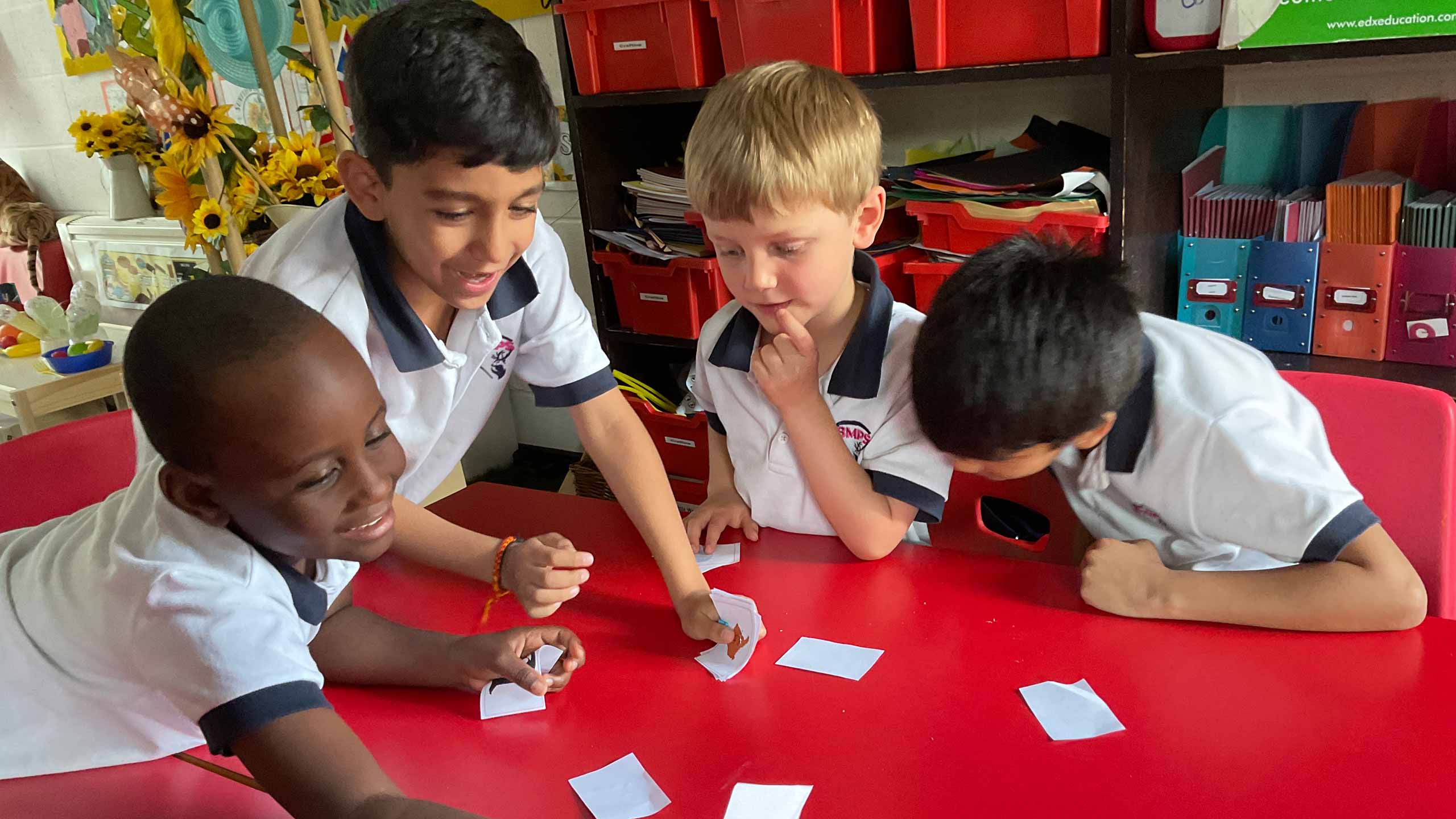
Smaller classes give teachers more opportunities to get to know each child as an individual. They can identify strengths, recognise difficulties early and adapt their teaching to suit different learning styles and abilities.
They also provide children with more opportunities to contribute, ask questions and take an active part in lessons.
For a child who is naturally quiet or lacks confidence, having the opportunity to find their voice in a smaller group can be particularly valuable.
Of course, small classes alone do not guarantee excellent teaching, but when combined with skilled, committed teachers, they can provide a wonderful environment in which children can flourish.
Specialist Teaching from an Early Age
Another advantage of many prep schools is the opportunity for children to be taught by specialist teachers.
Subjects such as music, sport, drama, computing and modern foreign languages may be taught by teachers with particular expertise and enthusiasm for their subject.
I think this is especially important because children don’t all discover their strengths in the same places.
One child may be a confident mathematician, while another comes alive on the sports field, on stage or in the art room.
Giving children access to a wide range of experiences helps them discover talents and interests they might otherwise never have known they had.
And sometimes, finding that one thing they really enjoy can transform a child’s confidence in other areas of school life too.
A Broad and Enriching Curriculum
Independent schools are not required to follow the National Curriculum in exactly the same way as maintained schools, although they must meet the relevant independent school standards.
This gives prep schools the freedom to develop a curriculum that reflects their own educational philosophy and the needs of their pupils.
At Broughton Manor, we build on the National Curriculum, but we are not constrained by it.
Of course, developing strong foundations in English and mathematics is essential. Children need to become confident readers, writers and mathematicians, and these skills underpin so much of their future learning.
But education should be about more than that.
We want children to be curious about the world, to ask questions, think creatively, solve problems and develop a genuine enthusiasm for learning.
Trips, visitors, performances, competitions, outdoor learning and enrichment activities all help to bring learning to life.
Some of the most valuable lessons children learn don’t come from a textbook.
They come from trying something new, working as part of a team, overcoming a challenge or discovering a passion they didn’t know they had.
Preparation for Senior School
One of the traditional strengths of a prep school is the support it provides as children prepare for the next stage of their education.
For some pupils, this involves preparing for entrance examinations to independent senior schools or grammar school selection tests. For others, the focus may be on making a confident and successful transition to a local state secondary school.
A good prep school should understand the different options available and help parents navigate what can sometimes feel like a complicated process.
At Broughton Manor, we take time to get to know each child’s strengths, interests and aspirations so that we can offer families guidance when considering senior schools.
Academic preparation is important, but so too is developing the independence, organisation, resilience and confidence children will need when they move on.
Our aim is that when children leave us at the end of Year 6, they are not only academically well prepared but genuinely excited about the next chapter of their education.
The Benefits of a Prep School Education
When parents ask me about the benefits of a prep school, I could talk about small classes, specialist teachers, academic results and enrichment opportunities.
All of these things are important, but I think the real value lies in what they make possible for each individual child.
The Opportunity to Be Known
Children thrive when they feel that they matter.
In a smaller school community, there are often more opportunities for teachers and other staff to know children beyond the classroom.
They know who is passionate about football, who loves reading, who needs a little encouragement to try something new and who might be quietly worrying about a friendship.
That knowledge helps us support children academically, socially and emotionally.
The Confidence to Have a Go
Confidence is something we work hard to develop at Broughton Manor.
We want children to feel comfortable putting their hand up, expressing an opinion, performing in front of an audience or trying an activity they have never experienced before.
Not every child will find these things easy, and that is absolutely fine.
What matters is that they are encouraged, supported and given opportunities to grow in confidence at their own pace.
I often think that some of the most rewarding moments in school life are not necessarily the big achievements, but the small personal victories.
The child who finally volunteers to speak in assembly, the pupil who perseveres with a difficult task or the one who discovers that they are capable of something they never thought possible.
Those moments are every bit as important as examination results.
Opportunities for Everyone
One of the things I particularly value about prep school life is the breadth of opportunities available to children.
Sport, music, drama, art, leadership roles, school trips and competitions all have an important place in the school experience.
And because schools are often smaller, there may be more opportunities for every child to take part rather than just those who are naturally the most confident or talented.
I believe very strongly that children should be encouraged to try things, even when they are not particularly good at them!
After all, learning to persevere, work as part of a team and enjoy an experience without necessarily being the best is an important lesson in itself.
Strong Pastoral Care
For me, this is fundamental.
A child’s happiness, emotional wellbeing and sense of belonging should never be secondary to academic achievement.
Children need to feel safe, valued and understood if they are to flourish.
Good pastoral care means knowing when a child needs encouragement, when they need reassurance and when they need someone to listen.
It also means helping them develop the skills to manage friendships, cope with disappointment, take responsibility for their actions and treat others with kindness and respect.
These are qualities that will serve them well long after they have left school.
What Should Parents Look for When Choosing a Prep School?
Choosing a school is one of the most important decisions parents make, and there is a great deal to consider.
Academic standards, class sizes, facilities, fees and senior school destinations are all important, but I would encourage parents to look beyond the prospectus and the website.
Visit the school during a normal working day if you can.
Look at the children. Do they seem happy? Are they engaged in their learning? Do they interact confidently with their teachers? Is there a sense of warmth and purpose?
Talk to the staff and ask questions.
- How will the school get to know my child as an individual?
- What are the class sizes, and how does the school support children with different abilities and needs?
- Which subjects are taught by specialist teachers?
- What opportunities are there beyond the classroom?
- How does the school support children’s emotional wellbeing?
- Where do pupils move on to at 11, and how are families supported in making those decisions?
- What is included in the school fees, and what additional costs should we expect?
- What do the school’s most recent inspection reports say?
Perhaps most importantly, ask yourself whether you can imagine your child being happy there.
I have always believed that a school should feel right, not just look right on paper.
Broughton Manor:
At Broughton Manor Preparatory School, we educate boys and girls from the age of two months through to the end of Year 6.
We are proud of our small classes, broad curriculum and the strong relationships we build with children and their families.
Our aim is to provide an education that combines academic ambition with a genuine commitment to each child’s happiness, confidence and personal development.
Specialist teaching in subjects such as music, sport, languages and the arts helps children discover their interests and develop new skills, while our wider curriculum provides opportunities for creativity, curiosity and exploration.
Our Values Based Education approach is also an important part of school life.
We want children to understand the importance of kindness, responsibility, courage, respect and resilience, not simply as words, but as values that guide the way they treat others and approach challenges.
We believe that academic success and personal development should go hand in hand.
Our pupils move on to a range of senior schools, reflecting their individual strengths and the choices their families make. These include independent schools such as Bedford School, Bedford Girls’ School, Bedford Modern School and Thornton College, grammar schools including The Royal Latin School and Sir Henry Floyd Grammar School, and local state secondary schools.
We support families throughout this process, recognising that the best destination is not necessarily the same for every child.
We also understand that family life is busy. Our fee structure includes lunches, afternoon tea and wraparound care until 5.45pm, helping parents plan their school day with greater certainty.
But perhaps the thing I value most about Broughton Manor is the sense of community.
We want every child to feel that they belong, that their achievements are celebrated and that they are encouraged to be the very best version of themselves.
Frequently Asked Questions
What age do children attend prep school?
Prep schools generally educate children up to the age of 11 or 13, depending on the school. At Broughton Manor, children can join us in Nursery from two months old and continue through to the end of Year 6, when they are 11.
Is a prep school the same as a private school?
A prep school is a type of independent, or private, school that provides education for younger children. Independent schools for older pupils are generally referred to as senior schools.
Do children have to go to an independent senior school after prep school?
Not at all. Children move on to a variety of schools, including independent, grammar and state secondary schools. The important thing is finding the school that best suits each individual child.
Are prep schools academically selective?
Some are, but many are not. Admissions arrangements vary between schools, so it is always worth asking about the process. At Broughton Manor, our focus is on understanding each child and their individual needs.
What are the main advantages of a prep school?
Smaller classes, individual attention, specialist teaching, a broad curriculum and a wide range of opportunities are among the benefits many prep schools offer. Strong pastoral care and careful preparation for senior school are also important features.
A Final Thought
When I think about what I want children to take away from their prep school years, academic success is certainly part of the picture, but it is by no means the whole picture.
I want them to leave with happy memories, lasting friendships and a genuine love of learning.
I want them to have discovered things they enjoy, developed the confidence to try things they find difficult and learnt that making mistakes is simply part of getting better.
I want them to be kind, curious, resilient and increasingly independent young people who are ready to embrace whatever comes next.
Because, ultimately, the success of a prep school shouldn’t be measured only by where its pupils go next, but by the people they are becoming along the way.
And I can think of no greater privilege than being part of that journey.