Choosing a school for your child is one of the biggest decisions you will make as a parent. After all, the school they attend will play an important part in shaping not only their education, but also their friendships, confidence, interests and experiences during some of their most formative years.
For families living in Milton Keynes, there is a wide choice of schools, both state and independent, and understanding the differences between them can sometimes feel a little overwhelming.
Having worked in education for many years, I am often asked whether an independent education is really that different from a state school education and, perhaps more importantly, whether it is worth the investment.
My answer is that there are excellent schools in both sectors, and I certainly wouldn’t suggest that one is automatically better than the other.
However, there are some important differences, and understanding what these might mean for your child can help you make an informed decision.
For me, the most important question isn’t whether a school is state or independent. It is whether that school is the right place for your child to be happy, confident, challenged and inspired.
Understanding the Difference
The most obvious difference between state and independent schools is how they are funded.
State primary schools are funded by the government and are free to attend. Independent schools are funded primarily through fees paid by parents.
But the differences go beyond funding.
Independent schools generally have greater flexibility in how they organise their curriculum, structure the school day, allocate resources and provide opportunities for pupils.
This can influence everything from class sizes and specialist teaching to the range of activities children experience during their school years.
Of course, every school is different, and I would always encourage parents to look carefully at what an individual school offers rather than making assumptions based simply on whether it is state or independent.
Class Sizes: Why Do They Matter?
One of the most noticeable differences between state and independent primary schools is often the size of the classes.
In state schools, infant classes are generally limited to 30 pupils per qualified teacher, and many junior classes are of a similar size.
Independent schools often choose to have considerably smaller classes.
Having spent many years in classrooms and leading schools, I know just how much of a difference this can make.
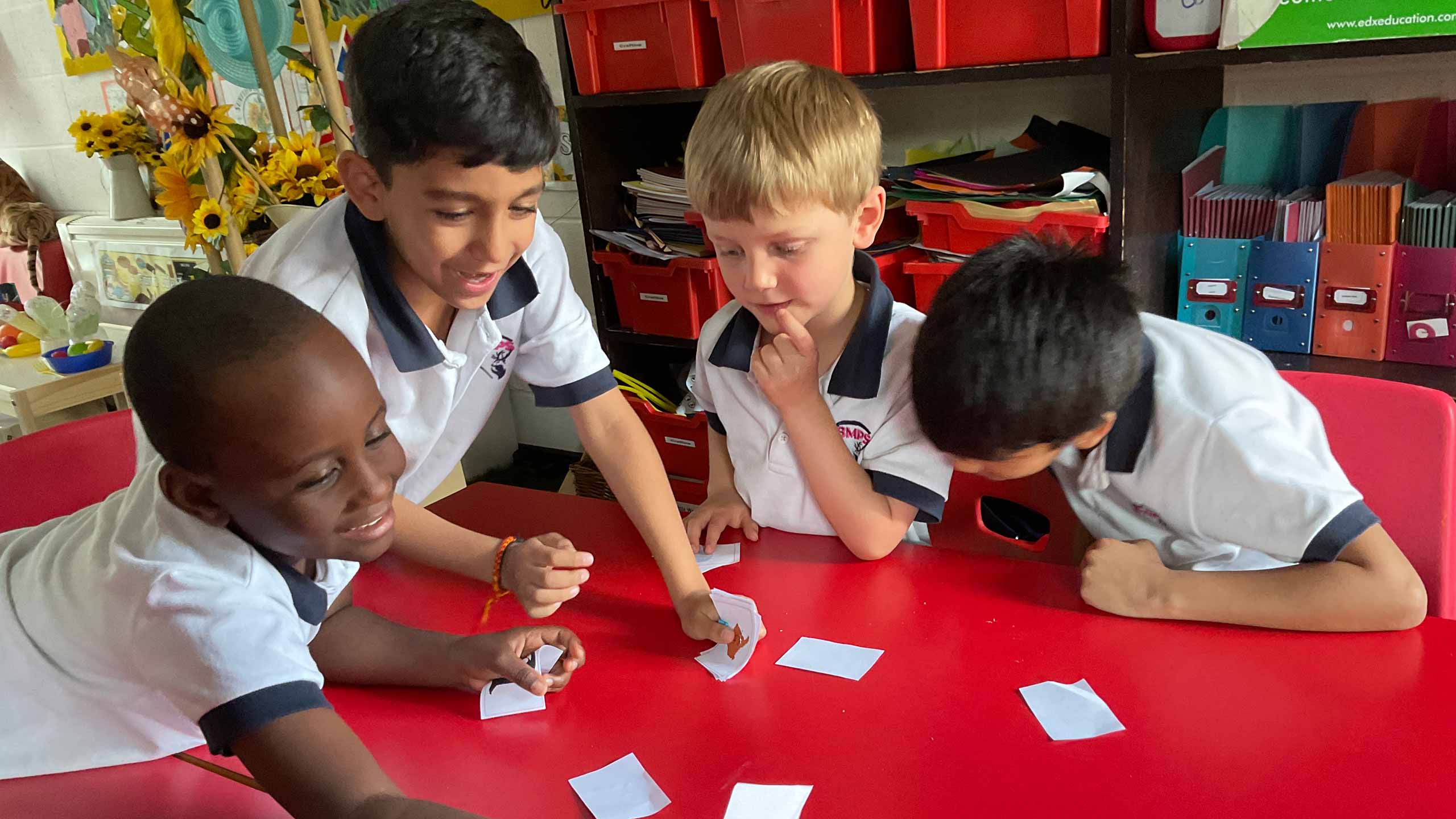
Smaller classes give teachers more time to get to know each child as an individual. They can quickly recognise when a child is finding something difficult, when they are ready for greater challenge or when they simply need a little encouragement.
They also provide more opportunities for children to ask questions, contribute to discussions and receive individual feedback.
I think this can be particularly valuable for quieter children.
In a large class, a child who is naturally reserved may be perfectly happy to sit back and let others take the lead. In a smaller class, there are often more opportunities, and more encouragement, for every child to find their voice.
Of course, small classes alone don’t guarantee excellent teaching. The quality of the teacher and the relationships they build with their pupils are enormously important.
But when excellent teaching is combined with smaller classes, it creates wonderful opportunities for children to make progress and grow in confidence.
The Curriculum: More Than Reading, Writing and Maths
Every child needs strong foundations in English and mathematics. Learning to read confidently, communicate effectively and develop a secure understanding of number are essential skills, whatever type of school they attend.
State primary schools generally follow the National Curriculum, which sets out what children should be taught at different stages of their education.
Independent schools have greater freedom to design their own curriculum, provided they meet the required independent school standards.
Many, including Broughton Manor, use the National Curriculum as a starting point but build on it to provide additional opportunities and experiences.
For me, this is one of the real strengths of independent education.
I have always believed that children should be exposed to as many different experiences as possible during their school years.
Not every child will discover their talents through academic subjects.
Some will shine on the sports field, others on stage, in the music room, through art or when solving a practical problem.
And sometimes a child discovers an interest or ability that surprises everyone, including themselves!
I often think of these opportunities as seeds being sown. Some will flourish during a child’s time at school, while others may not develop into a passion until much later in life.
Our responsibility as educators is to make sure those seeds are sown in the first place.
A broad curriculum, enriched by trips, visitors, performances, competitions and practical experiences, gives children opportunities to discover what excites and inspires them.
Specialist Teaching from an Early Age
Another difference parents may notice is the use of specialist teachers.
In many independent schools, children benefit from specialist teaching in subjects such as PE, music, drama, computing and modern foreign languages from a relatively young age.
This can begin as early as Nursery or Pre-School.
There is something rather special about seeing young children being introduced to a subject by someone who has a real passion and expertise in that area.
A specialist music teacher may inspire a love of singing or playing an instrument. A sports specialist may help a child discover a talent for athletics or develop the confidence to take part in team games.
And a drama lesson might give a naturally shy child the opportunity to express themselves in a way they have never felt comfortable doing before.
Of course, many state schools also provide specialist teaching and excellent enrichment opportunities, but independent schools often have greater flexibility to make these a regular part of the curriculum.
I believe these experiences are valuable not simply because children may discover a particular talent, but because they help develop confidence, creativity, teamwork and resilience.
Early Years: Getting the Foundations Right
For parents choosing a nursery or Reception class, the Early Years provision is particularly important.
All registered early years settings in England, whether state or independent, follow the Early Years Foundation Stage (EYFS).
This provides the framework for children’s learning and development from birth to five, with a strong emphasis on communication and language, physical development, and personal, social and emotional development.
However, the experiences children have within that framework can vary between settings.
Some independent schools offer nursery provision from a very young age, allowing children to begin their educational journey as babies and continue through to the end of primary school.
This continuity can be a real advantage.
Children become familiar with the environment, the routines and the people around them. As they grow, they move through the different stages of their education with a growing sense of confidence and belonging.
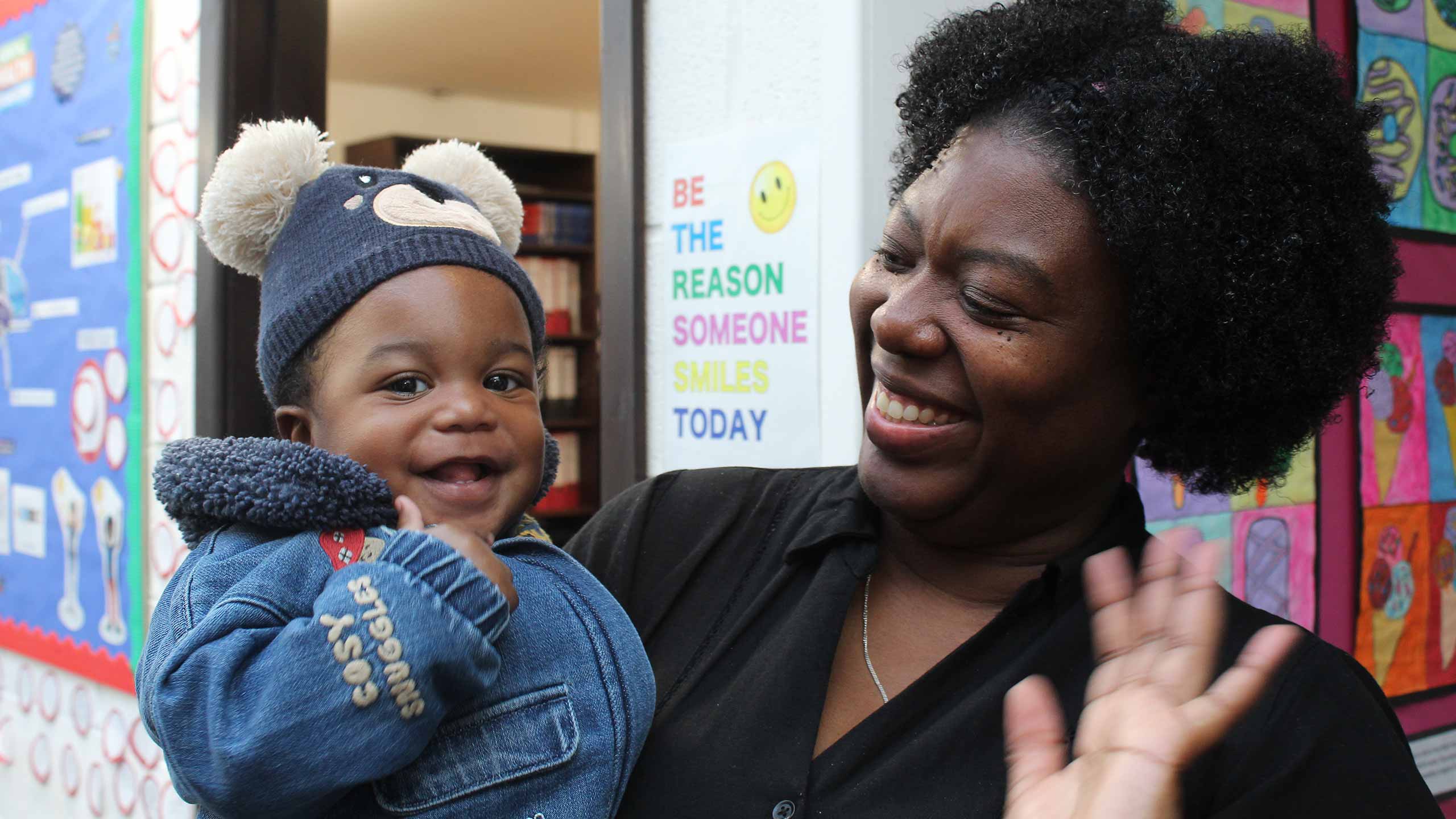
At Broughton Manor, our Nursery and Pre-School children are very much part of the wider school community.
They benefit from their own age-appropriate environments and curriculum, but also have opportunities to enjoy specialist teaching and experiences within the main school.
By the time they reach Reception, many already know the staff, recognise the surroundings and feel very much at home.
And for children joining us from other settings, we work hard to ensure that they feel equally welcome and secure.
For me, the most important thing in the Early Years is that children feel safe, happy and confident enough to explore and learn.
Everything else builds from there.
Pastoral Care: Knowing Every Child
If you have read any of my other articles, you will probably have gathered that pastoral care is something I feel particularly strongly about!
I firmly believe that children need to feel happy, safe and valued if they are to flourish.
This is true in every school, regardless of whether it is state or independent.
However, one of the advantages of a smaller school community is that staff often have more opportunities to know children and their families exceptionally well.
And I don’t just mean knowing their names.
I mean understanding their personalities, friendships, interests, strengths and worries.
Knowing which child needs a little encouragement to have a go, who might be feeling anxious about a change in routine and who is unusually quiet one morning.
Sometimes the smallest changes in a child’s behaviour can tell us that something isn’t quite right.
When teachers know their pupils well, they are often better placed to notice these things and offer support early.
Good pastoral care also means helping children develop the skills they will need throughout life: managing friendships, coping with disappointment, resolving disagreements, taking responsibility and treating others with kindness.
These are not extras. They are fundamental to a good education.
Opportunities Beyond the Classroom
One of the things I love most about prep school life is the range of opportunities children can experience.
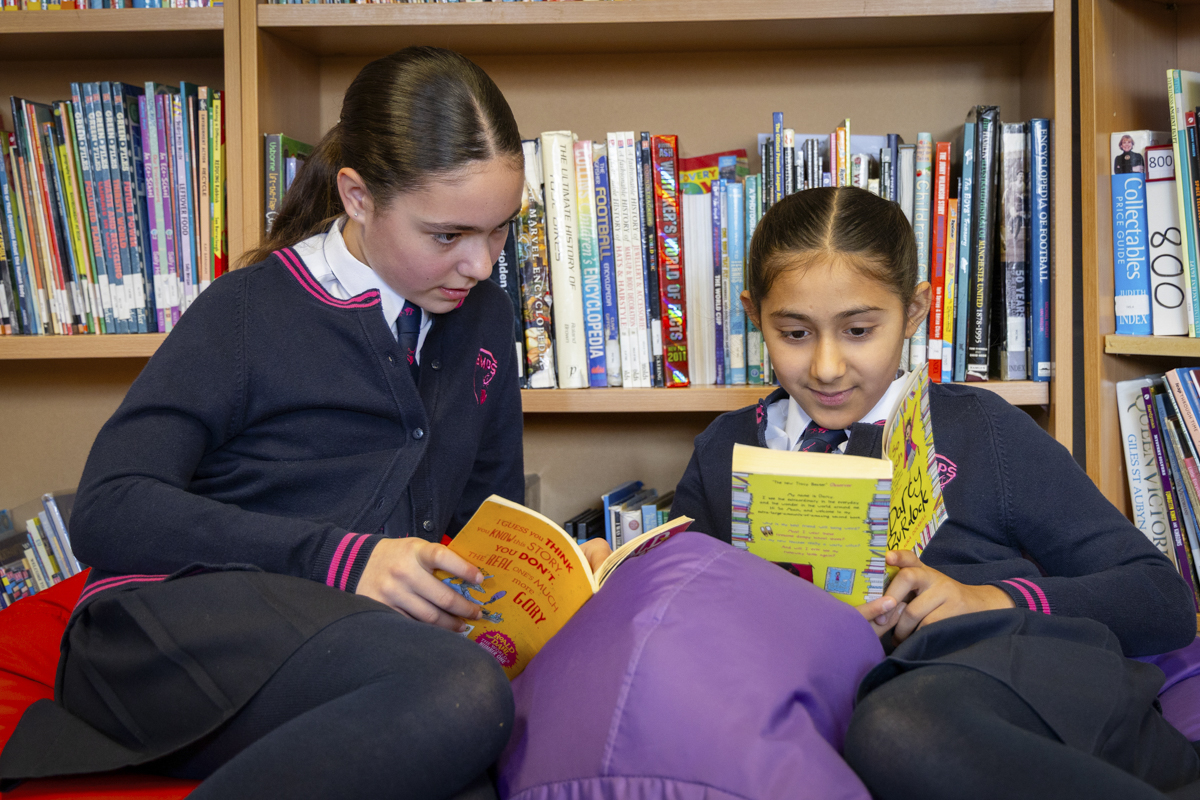
Sport, music, drama, art, educational visits, outdoor learning, clubs, competitions and leadership roles all contribute to a rich and varied school experience.
And because independent schools are often smaller, there may be more opportunities for children to participate in activities that they might otherwise be reluctant to try.
Not every child is going to be the star of the school play, the fastest runner or the most talented musician.
But that doesn’t mean they shouldn’t have the opportunity to take part.
In fact, I would argue that it is often the children who find these things difficult who have the most to gain.
The confidence that comes from standing on stage for the first time, representing your school in a sports fixture or persevering with a musical instrument can be enormous.
Success looks different for every child, and a good school should recognise and celebrate that.
The School Day and Family Life
For working parents, the practical arrangements of the school day can also be an important consideration.
State primary schools vary in the breakfast clubs and after-school provision they offer, while many independent schools provide an extended school day with additional activities and care.
When comparing schools, it is worth looking carefully at what is included and what may involve an additional charge.
Independent school fees can represent a significant financial commitment, and families need to understand exactly what they are paying for.
Some schools include lunches, certain activities and wraparound care within their fees, while others charge separately.
There is no right or wrong approach, but it is important to have a clear picture of the overall cost.
Inspection and Standards
Both state and independent schools are subject to inspection and accountability, although the arrangements differ.
State schools are generally inspected by Ofsted, while many independent schools, including Broughton Manor, are inspected by the Independent Schools Inspectorate (ISI).
Inspection reports can provide useful information about a school’s educational provision, leadership, safeguarding and pupils’ personal development and wellbeing.
I would always encourage parents to read the most recent report of any school they are considering.
However, I would also encourage them to visit.
An inspection report provides one perspective, but spending time in a school, meeting the staff and seeing the children going about their normal day can tell you a great deal about its culture.
Preparing for Secondary School
Another consideration for parents is what happens when their child reaches the end of primary school.
In Milton Keynes, families may consider local state secondary schools, grammar schools in neighbouring Buckinghamshire or independent senior schools.
Different routes have different admissions arrangements, and some involve entrance assessments or selection tests.
Independent prep schools often provide additional support for children preparing for these assessments, as well as guidance for parents choosing the next school.
At Broughton Manor, we work closely with families to help them explore the options and make decisions that reflect their child’s individual strengths, interests and aspirations.
One thing I always emphasise is that the best senior school is not necessarily the one with the most impressive reputation.
It is the one where your child is most likely to be happy, successful and able to fulfil their potential.
Our aim is for children to leave us academically well prepared, but also confident, independent and ready to embrace the opportunities and challenges of the next stage of their education.
So, Which Is Right for Your Child?
I don’t believe there is a simple answer to this question.
There are excellent schools in both the state and independent sectors, and the right choice will depend on your child, your family circumstances and what you value most in education.
Some families place particular importance on small classes and individual attention. Others are attracted by specialist teaching, a broad curriculum or the range of extracurricular opportunities.
For some, the continuity of being able to move from Nursery through to Year 6 within one school community is particularly appealing.
And, of course, affordability and practical arrangements are important considerations too.
My advice would always be to visit several schools.
Ask questions, observe the children, talk to the teachers and try to imagine your own child there.
Do the children seem happy and confident? Are they engaged in their learning? Do the staff seem genuinely interested in them? Is there a sense of warmth and community?
And perhaps most importantly, does it feel like somewhere your child would belong?
I think parents often have a very good instinct for these things.
Why Families Choose Broughton Manor Prep
At Broughton Manor Preparatory School in Milton Keynes, we offer an independent education from the age of two months in our Nursery through to the end of Year 6.
We are proud of our small classes, specialist teaching, broad curriculum and strong pastoral care, but I believe that what makes a school special is the way these things come together to benefit each individual child.
Our teachers know their pupils exceptionally well, and we work hard to create an environment where children feel happy, supported and confident enough to challenge themselves.
We have high academic expectations, but we also recognise that success comes in many forms.
Our curriculum provides children with opportunities to develop their talents, discover new interests and enjoy experiences that extend well beyond the classroom.
Our Values Based Education approach is also an important part of school life.
Through our values, we encourage children to think about the kind of people they want to be, the way they treat others and the contribution they make to our school community.
We want them to develop kindness, responsibility, courage, resilience and respect, qualities that will serve them well throughout their lives.
Our June 2025 Independent Schools Inspectorate report recognised the strength of our school community, describing it as “inclusive and supportive” and noting that “pupils demonstrate consistent effort towards their work and make good progress.”
These are comments that mean a great deal to me because they reflect what we are trying to achieve: a school where children work hard, enjoy learning, feel valued and are encouraged to become the very best version of themselves.
Frequently Asked Questions
Is an independent school better than a state school?
Not necessarily. There are excellent schools in both sectors. Independent schools often offer smaller classes, greater curriculum flexibility and additional specialist teaching, but the most important thing is finding a school that suits your child’s individual needs.
Do independent schools follow the National Curriculum?
Independent schools are not required to follow the National Curriculum in the same way as maintained schools, but many use it as a foundation and build on it. All registered early years settings must follow the EYFS.
Are class sizes smaller in independent schools?
Generally, independent schools tend to have smaller classes, although this varies between schools. Smaller classes can provide more opportunities for individual attention, feedback and participation.
Can I use funded childcare hours at an independent school nursery?
Yes, many independent school nurseries offer government-funded childcare places for eligible children. The way funding is provided and any additional charges will vary between settings, so it is important to check the arrangements with the nursery.
Do children from independent prep schools have to attend independent senior schools?
Not at all. Prep school pupils move on to a variety of schools, including independent, grammar and state secondary schools. The right destination should always be the one that best suits the individual child.
A Final Thought
As a Headteacher, I am naturally passionate about the opportunities an independent education can offer, but I also know that the quality of a school cannot be measured simply by its fees, facilities or examination results.
For me, the real measure of a school is the experience children have every day.
Are they happy? Do they feel safe and valued? Are they excited about learning? Are they encouraged to try new things, develop their interests and persevere when something is difficult?
Are they learning to be kind, thoughtful, responsible and confident young people?
And are they being given every opportunity to discover what they are capable of?
Ultimately, I believe that every child deserves an education that helps them become the very best version of themselves.
There are different ways of achieving that, and different schools will suit different children.
The important thing is finding the school where your child will flourish.
Because choosing a school isn’t simply about deciding where your child will learn to read, write and do mathematics.
It is about choosing the community in which they will grow up, form friendships, discover their strengths and begin to shape the person they will become.
And that is a decision worth taking time over.