Choosing a nursery for your child is a big decision, and one that I think parents should take their time over.
For many families, it will be the first time they have entrusted their baby or young child to someone outside their immediate family. Even when you are looking forward to returning to work or know that your child is ready for new experiences, it can still feel like an enormous step.
Will they be happy? Will they make friends? Will someone notice when they are tired, upset or need a little extra reassurance? Will the staff really get to know them?
These are all perfectly natural questions.
Milton Keynes has a wide range of nurseries, pre-schools and childminders, which is wonderful for families, but having so much choice can sometimes make the decision feel rather overwhelming.
Having spent much of my career in Early Years education, including establishing and running my own nursery, I know how important it is to get those first experiences right.
I also know that the nursery with the most impressive facilities or the longest list of activities isn’t necessarily the best nursery for your child.
For me, the most important thing is finding somewhere your child will feel safe, happy, understood and genuinely cared for.
Everything else builds from there.
Start by Thinking About What Your Family Needs
Before visiting nurseries, it is worth spending a little time thinking about what will work best for your family.
Every family has different circumstances, and what suits one may not be practical for another.
Consider the age at which your child will start nursery, the hours you need and whether you require childcare throughout the year or only during term time.
Location is another important consideration. A nursery that seems conveniently situated on a map may feel rather less convenient when you are navigating the morning traffic with a tired toddler!
It is also worth looking carefully at fees, funded childcare arrangements and what is included in the cost.
These practical considerations matter because you want a nursery that works for your family, not one that creates additional stress.
However, once you have narrowed down your options, I would encourage you to focus on something rather more important than convenience.
What will your child’s experience actually be like when they are there?
Understanding the Different Types of Nursery
There are several different types of Early Years setting in Milton Keynes, and each can offer something valuable.
Day Nurseries
Day nurseries often provide care for babies and young children from a few months old until they start school.
Many offer extended opening hours and operate throughout the year, making them particularly suitable for working parents.
Some are part of larger nursery groups, while others are independently owned.
As with any type of setting, the quality of provision can vary, so visiting and meeting the staff is essential.
Pre-Schools
Pre-schools often provide shorter sessions for children aged two to four or five, frequently during term time.
They can offer wonderful opportunities for children to develop independence, make friends and become familiar with routines that will help prepare them for school.
Some are run by community organisations or charities, while others are privately operated.
Nurseries Within Independent Schools
Some independent preparatory schools, including Broughton Manor, have their own nursery provision.
One of the advantages of this arrangement is the continuity it can offer families.
Children may begin their journey in the baby room, progress through Nursery and Pre-School, and then continue into Reception and the main school.
Over time, they become familiar with the environment, the routines and many of the people who will be part of their school life.
They may also benefit from opportunities to use the wider school’s facilities and enjoy specialist teaching as they grow.
For some families, this continuity is particularly appealing.
However, I would always encourage parents to choose the nursery that best meets their child’s needs now, rather than making a decision based entirely on what might happen several years later.
What Really Makes a Good Nursery?
This is the question I would encourage every parent to think about carefully.
Of course, we all want our children to have lovely environments, interesting resources and exciting opportunities.
But having worked with young children for many years, I firmly believe that the most important part of any nursery is the people.
Look at the Relationships
When you visit a nursery, my advice would be to spend as much time watching the adults as you do looking at the rooms.
How do the staff interact with the children?
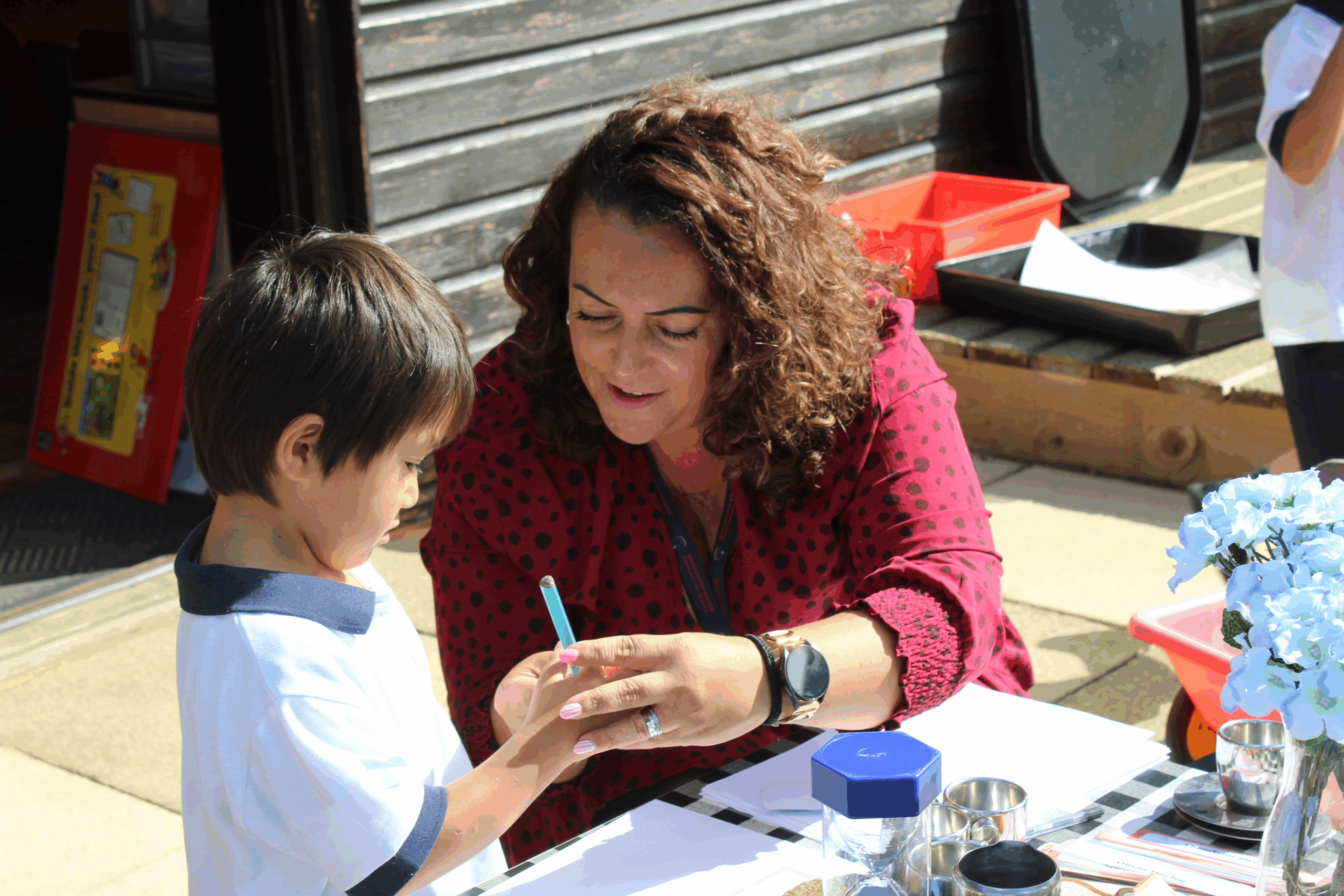
Do they get down to the children’s level? Do they listen carefully, respond warmly and seem genuinely interested in what the children are doing?
If a child is upset, how do they respond?
Do they notice when a child needs encouragement or reassurance?
Are they enjoying being with the children?
These little interactions can tell you an enormous amount about the atmosphere and quality of care within a nursery.
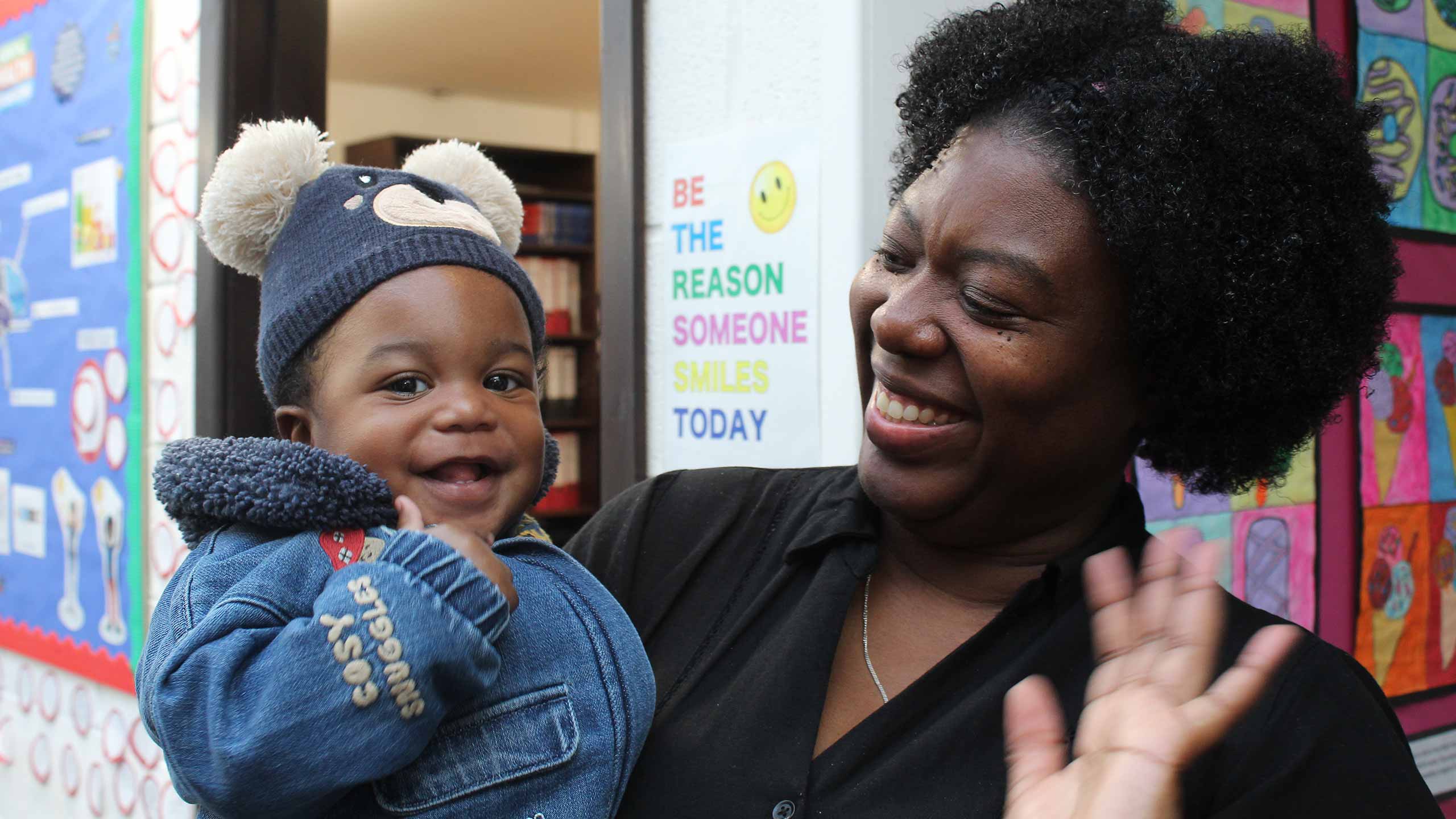
Young children need to feel secure and valued. They need adults who know them well, understand their personalities and recognise their individual needs.
In Early Years settings, every child has a designated key person whose role is to develop a close relationship with the child and their family.
I would encourage parents to ask how this works in practice.
A good key person will know far more than a child’s name and date of birth. They will understand what makes them happy, how they like to be comforted, what interests them and when they might need a little extra support.
And importantly, they will take time to build a relationship with you too.
Because the partnership between parents and nursery staff is fundamental to a child’s happiness and development.
A Safe, Welcoming and Stimulating Environment
A good nursery should feel welcoming from the moment you walk through the door.
The rooms should be safe, thoughtfully organised and appropriate for the age and stage of the children using them.
For babies, this might mean calm, comfortable spaces with plenty of opportunities to explore, roll, crawl and develop their physical skills.
For older children, you might expect to see construction materials, books, imaginative play areas, creative activities and opportunities to investigate and discover.
But I would encourage parents not to be overly impressed by expensive toys or elaborate displays.
Some of the most valuable learning experiences come from the simplest resources.
A cardboard box can become a car, a house or a spaceship. A collection of natural objects can inspire wonderful conversations and discoveries.
What matters is how the environment is used and whether children are genuinely engaged in their play and learning.
Children Should Be Busy, Happy and Interested
When visiting a nursery, look at what the children are doing.
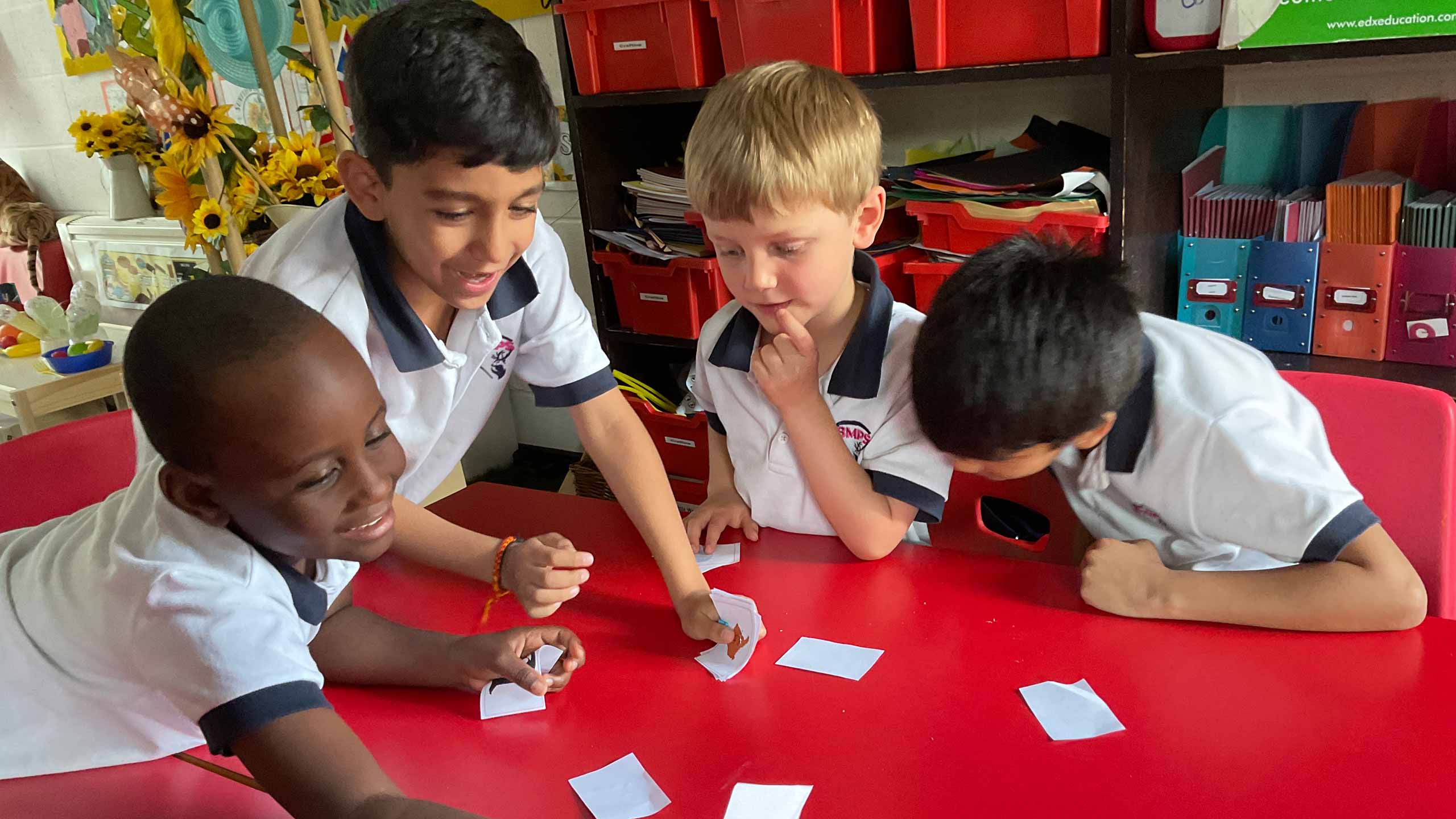
Are they absorbed in activities? Are they exploring, talking, playing and interacting with one another?
Do they seem comfortable approaching the adults?
Is there a balance between opportunities for children to make their own choices and activities that have been thoughtfully planned by the staff?
I wouldn’t necessarily expect a good nursery to be quiet!
Young children learn through play, conversation, movement and exploration, and that can sometimes be rather noisy and messy.
In fact, I would be much more interested in seeing children deeply involved in what they are doing than a room that looks perfectly tidy.
The important thing is that there is a sense of purpose, warmth and enjoyment.
The Importance of Outdoor Play
I have always believed that children should spend plenty of time outdoors, whatever their age.
Fresh air, physical activity and opportunities to explore the natural world are enormously valuable for children’s development and wellbeing.
For babies, being outdoors might mean watching the leaves move in the trees, listening to birdsong or exploring different textures.
For toddlers, it might involve digging, climbing, balancing, running or investigating something they have discovered in the garden.
Older children can develop their imagination, problem-solving skills and understanding of the world through outdoor play.
When visiting a nursery, ask how often children go outside and what opportunities they have to explore.
A large garden or natural area is a wonderful advantage, but what matters most is that outdoor learning is valued and forms a regular part of the children’s experiences.
How Does the Nursery Support Learning?
All registered Early Years settings in England follow the Early Years Foundation Stage (EYFS), which provides the framework for children’s learning and development from birth to five.
The EYFS recognises that young children learn best through play, exploration, relationships and meaningful experiences.
It places particular importance on three prime areas of development: communication and language, physical development, and personal, social and emotional development.
These provide the foundations for future learning.
When visiting a nursery, I would encourage parents to ask how staff support these areas.
How do they encourage children to communicate? What opportunities are there for physical development? How do they help children develop confidence, independence and friendships?
And how do they recognise when a child might need additional support?
A good nursery should be able to explain how it plans experiences around children’s interests and developmental needs.
But remember, learning in the Early Years doesn’t need to look like formal teaching.
A conversation during snack time, building a tower together, singing a song or helping a child resolve a disagreement can all provide valuable learning opportunities.
For young children, care, play and learning are closely connected.
Communication with Parents Matters
One of the things I feel particularly strongly about is the importance of genuine partnership between nursery and home.
Parents know their children better than anyone, and nursery staff have valuable knowledge and experience of early childhood development.
When these two things come together, children benefit enormously.
A good nursery should make parents feel welcome and involved.
You should feel comfortable sharing information, asking questions or raising a concern.
For younger children, regular communication about sleep, feeding, meals and daily experiences is particularly important.
As children grow, conversations may focus more on friendships, interests, achievements and development.
I would encourage parents to ask how the nursery communicates and how easily they can speak to their child’s key person.
And don’t underestimate the importance of those informal conversations at the beginning and end of the day.
Sometimes a quick chat can tell you far more than a lengthy written report.
How Does the Nursery Help Children Settle?
Starting nursery is a significant transition, particularly for babies and very young children.
Some children settle quickly, while others need more time and reassurance.
Neither is right or wrong.
I would always encourage parents to ask about the settling-in process before accepting a place.
Will there be opportunities for you to spend time in the nursery with your child? How will staff get to know their routines and preferences? What happens if your child becomes upset?
A good nursery should recognise that settling in is an individual process and be willing to work with families to make the transition as smooth as possible.
And remember, parents need reassurance too!
A photograph, a quick update or a conversation at collection time can make an enormous difference during those first few weeks.
Questions I Would Encourage Parents to Ask
When you visit a nursery, don’t be afraid to ask questions. You are making an important decision, and you should feel confident that you have the information you need.
Some questions I would particularly recommend include:
- How does the key person system work, and who will care for my child when their key person is absent?
- What are the staff-to-child ratios, and how are children supervised throughout the day?
- How do you help new children settle?
- How do you support children’s communication, language and emotional development?
- What opportunities do children have to play outdoors?
- How do you identify and support children who may need additional help?
- How do you manage sleep, feeding, allergies and other individual care needs?
- How will you keep me informed about my child’s day and development?
- What training and qualifications do the staff have?
- What is included in the fees, and how does funded childcare work?
- How do you prepare children for moving into Pre-School or Reception?
I would also encourage parents to read the nursery’s most recent Ofsted inspection report and ask about any areas identified for improvement.
A nursery should be able to talk openly about its strengths, explain what it is working to improve and show how it puts children’s needs first.
Trust What You See and Feel
This is probably the most important advice I can offer.
Visit the nursery during a normal working day if possible.
Look at the children, observe the staff and take time to get a feel for the atmosphere.
Do the children seem happy and secure? Are the adults warm and attentive? Is there a sense of calm, even when the room is busy?
Can you imagine your child being comfortable and confident there?
And perhaps most importantly, do you feel that the staff genuinely care about the children?
I think parents often have very good instincts about these things.
Of course, practical arrangements, fees and location matter, but the quality of the relationships and the atmosphere within the nursery are just as important.
A nursery should feel like somewhere your child will belong, not simply somewhere they will spend their day.
Broughton Manor Nursery and Pre-School
At Broughton Manor Nursery and Pre-School in Milton Keynes, we welcome children from just two months old.
We understand what a significant decision choosing a nursery is, and we want every family to feel reassured, supported and involved from the very beginning.
Our purpose-built nursery provides welcoming, age-appropriate environments where babies and young children can explore, play and develop at their own pace.
We place great importance on getting to know each child as an individual and building strong relationships with their families.
Our key person approach helps us understand children’s routines, interests, personalities and changing needs, while regular communication with parents ensures that we work together to support their development.
We are also fortunate to have wonderful outdoor spaces, including our spacious lawn and spinney, which provide opportunities for children to enjoy fresh air, explore nature and develop their curiosity.
As children grow and move into Pre-School, they benefit from the opportunities available within the wider school, including specialist teaching in PE, music and drama.
One of the advantages of being part of Broughton Manor Preparatory School is the continuity we can offer.
Children can begin their journey with us as babies and progress through Nursery, Pre-School and Reception before continuing through the main school to Year 6.
They become familiar with the environment, the staff and the routines of school life, helping to make each transition feel natural and reassuring.
But while we are proud of the opportunities available as children grow, our focus in Nursery is very much on giving them the best possible experience now.
We want children to feel safe, happy, confident and excited to explore the world around them.
And we want parents to feel that they are part of that journey every step of the way.
Frequently Asked Questions
What age can my baby start nursery in Milton Keynes?
This varies between settings. Many day nurseries welcome babies from around three months old, while others have a higher minimum age. At Broughton Manor Nursery, we welcome babies from two months old.
How do I choose between a day nursery and a school nursery?
Think about what works best for your family, including opening hours, location, fees and your child’s individual needs. A nursery within a school may offer continuity through to Reception and beyond, while other day nurseries may offer different hours or arrangements. The most important thing is the quality of care and whether the setting feels right for your child.
When should I start looking for a nursery place?
I would encourage parents to start looking well in advance, particularly if they need a baby room place or have specific days in mind. Six to twelve months before your intended start date can be sensible, although availability varies.
What should I look for when visiting a nursery?
Look beyond the facilities and focus on the interactions between staff and children. Are the adults warm and responsive? Do the children seem happy, engaged and secure? Is the environment safe and stimulating? And do you feel confident that your child would be well cared for?
Should I read the nursery’s Ofsted report?
Absolutely. Inspection reports can provide useful information about the quality of education, care, leadership and safeguarding. I would encourage parents to read the most recent report and discuss any questions directly with the nursery.
A Final Thought
When I think about what makes a really good nursery, I don’t immediately think about the beautiful classrooms, the impressive facilities or the range of activities on offer.
I think about the people.
I think about the practitioner who notices that a child is unusually quiet and takes the time to find out why.
The key person who knows exactly how to comfort a baby who is missing home.
The excitement of a child proudly showing their parent something they have made or achieved.
And the parent who leaves their child in the morning knowing that they are in safe, caring hands.
These are the things that really matter.
I have always believed that the earliest years of a child’s life are some of the most important. The experiences children have, the relationships they build and the confidence they develop during these years help lay the foundations for everything that follows.
Choosing the right nursery is about finding somewhere that recognises just how precious those early years are.
Somewhere your child will be known, valued, encouraged and cared for. Somewhere they can be themselves, make discoveries, develop friendships and grow in confidence.
And somewhere you, as a parent, feel confident that your child is receiving the very best start.
Because ultimately, that is what every child deserves.